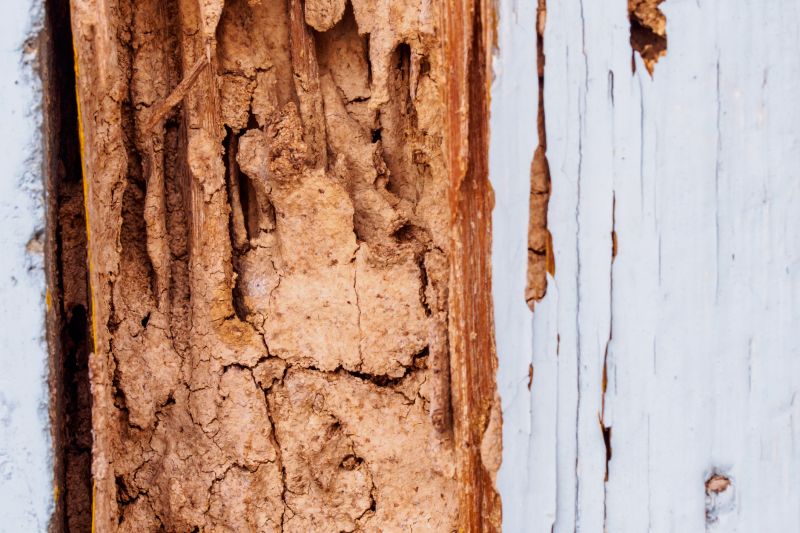
Dry Rot Repair in Denver, CO
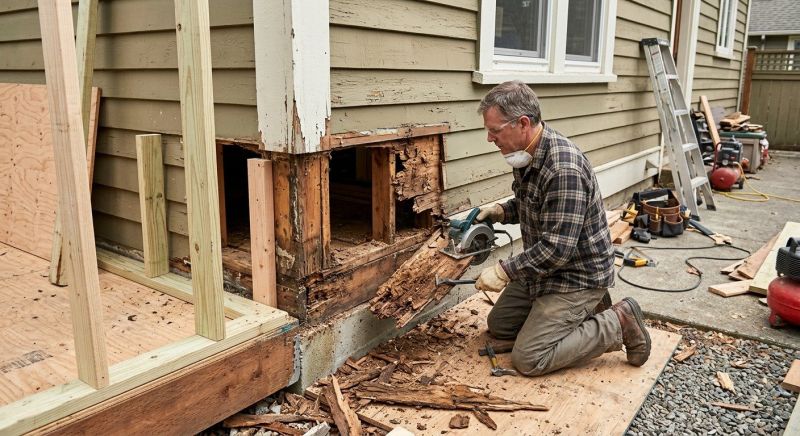
Dry rot repair services address the removal and treatment of wood that has been compromised by fungal decay caused by moisture intrusion. This service is typically needed in projects involving damaged framing, beams, joists, or other structural wood components within homes and buildings. Property owners often seek this service after noticing signs of wood deterioration, such as crumbling wood, musty odors, or sagging structures, especially in areas prone to moisture exposure like basements, crawl spaces, or attics. Understanding the extent of the damage and the underlying moisture issues is essential before requesting dry rot repair, as addressing the root cause is crucial to prevent future problems.
The scope of dry rot repair can include removing affected wood, treating remaining materials with fungicides, and replacing compromised components to restore structural integrity. Property owners should inquire about the process involved, the types of materials used, and the importance of moisture control to prevent recurrence. Clear communication about the extent of damage and the necessary repairs can help ensure the project meets safety and durability standards. Proper assessment and treatment are vital to maintaining the stability and safety of the property long-term.
Many property owners in Denver, CO look into Dry Rot Repair for repairs, replacements, upgrades, and appearance-related improvements.
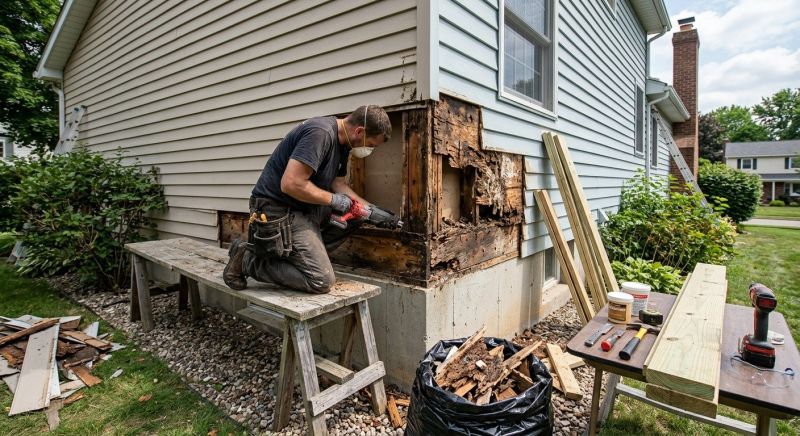
Dry Rot Repair Services
Examples of dry rot repair work property owners may explore in denver, co.
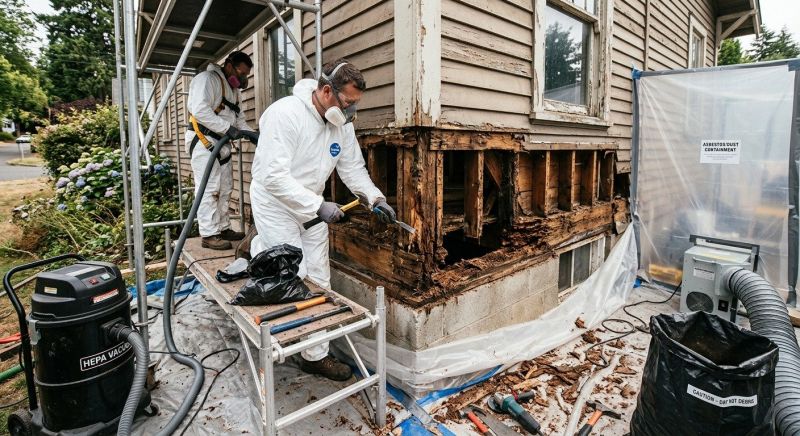
Dry Rot Repair Updates
Common ways people refresh, improve, or restore dry rot repair features in denver, co.
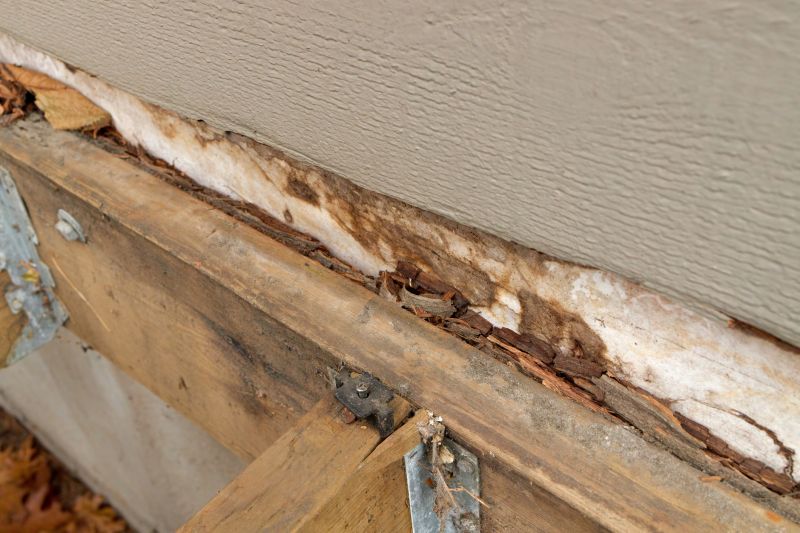
Dry Rot Repair Options
Different styles, layouts, and finishes people consider for dry rot repair in denver, co.
Dry Rot Repair in Denver, CO

Dry rot repair services address the removal and treatment of wood that has been compromised by fungal decay caused by moisture intrusion. This service is typically needed in projects involving damaged framing, beams, joists, or other structural wood components within homes and buildings. Property owners often seek this service after noticing signs of wood deterioration, such as crumbling wood, musty odors, or sagging structures, especially in areas prone to moisture exposure like basements, crawl spaces, or attics. Understanding the extent of the damage and the underlying moisture issues is essential before requesting dry rot repair, as addressing the root cause is crucial to prevent future problems.
The scope of dry rot repair can include removing affected wood, treating remaining materials with fungicides, and replacing compromised components to restore structural integrity. Property owners should inquire about the process involved, the types of materials used, and the importance of moisture control to prevent recurrence. Clear communication about the extent of damage and the necessary repairs can help ensure the project meets safety and durability standards. Proper assessment and treatment are vital to maintaining the stability and safety of the property long-term.
Many property owners in Denver, CO look into Dry Rot Repair for repairs, replacements, upgrades, and appearance-related improvements.
Common Dry Rot Repair Jobs
Dry Rot Repair - addresses wood decay caused by fungal growth in building structures.
Home Inspection - identifies areas affected by dry rot to prevent further damage.
Structural Restoration - replaces or reinforces compromised wood components.
Damage Prevention - applies treatments to inhibit future fungal growth.
Wood Replacement - involves removing and replacing severely affected timber.
Moisture Control - implements measures to reduce humidity and prevent dry rot recurrence.
Dry Rot Repair Questions
What is dry rot? Dry rot is a type of wood decay caused by fungi that break down the wood's structure, leading to weakened and damaged timber.
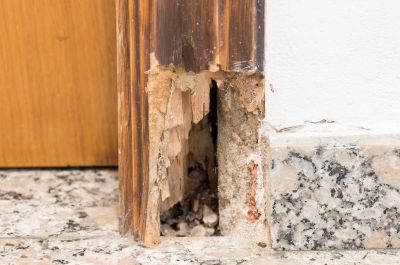
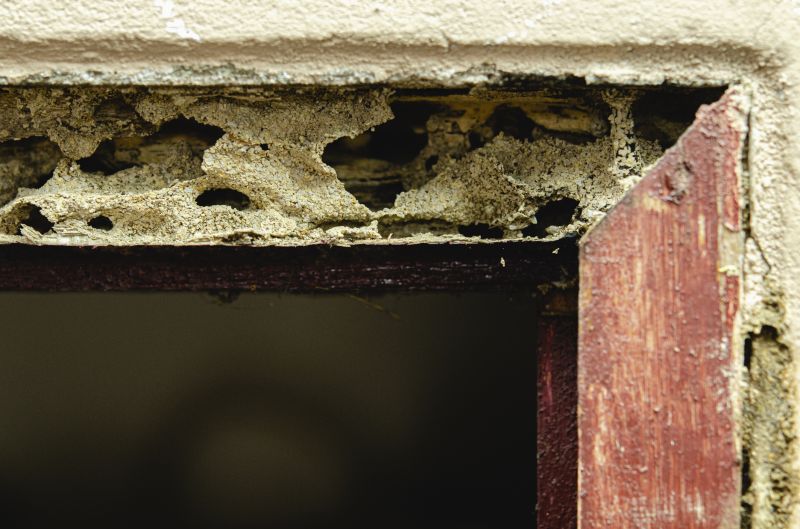
How can dry rot be identified? Signs include crumbling or cracking wood, a musty odor, and visible fungal growth or discoloration on affected surfaces.
Is dry rot dangerous for a property? Yes, dry rot can compromise structural integrity if left untreated, potentially causing significant damage to framing and support beams.
What areas are most susceptible to dry rot? Dry rot commonly occurs in damp, poorly ventilated areas such as basements, crawl spaces, and around leaking pipes or roofs.
Request Dry Rot Repair in Denver, CO
Use the quote form on this page to share the basics of your project and request more information for the type of work you need.