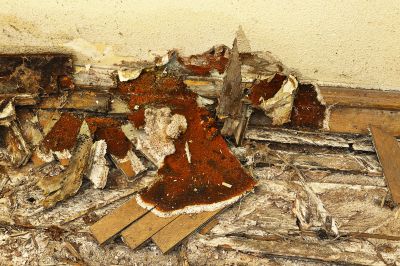
Wood Decay Removal in Longmont, CO
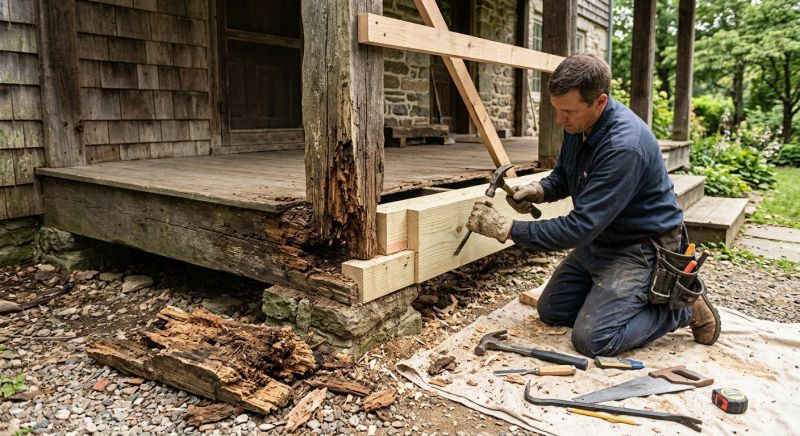
Wood decay removal services focus on identifying and eliminating areas of wood that have been compromised by rot, fungi, or insect damage. These services typically address projects such as damaged porch columns, rotted window frames, compromised fascia boards, or deteriorated wooden siding. Property owners should understand that the process involves carefully assessing affected areas, removing decayed wood, and applying treatments to prevent future decay, helping to preserve the structural integrity and appearance of the property.
Before requesting wood decay removal, homeowners often want to know about the extent of the damage, the types of treatments used, and whether repairs will be needed afterward. It’s important to consider the age of the wood, the causes of decay, and the overall condition of surrounding structures. Proper evaluation ensures that all compromised wood is addressed effectively, reducing the risk of further damage and maintaining the safety and value of the property.
Many property owners in Longmont, CO look into Wood Decay Removal for repairs, replacements, upgrades, and appearance-related improvements.
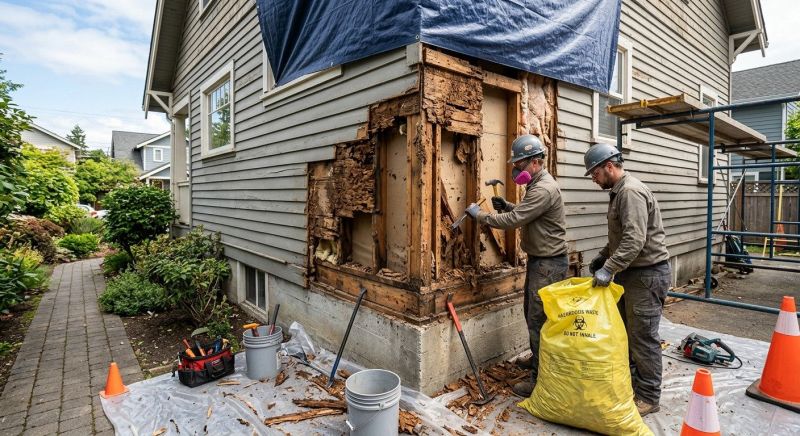
Identifying Wood Decay
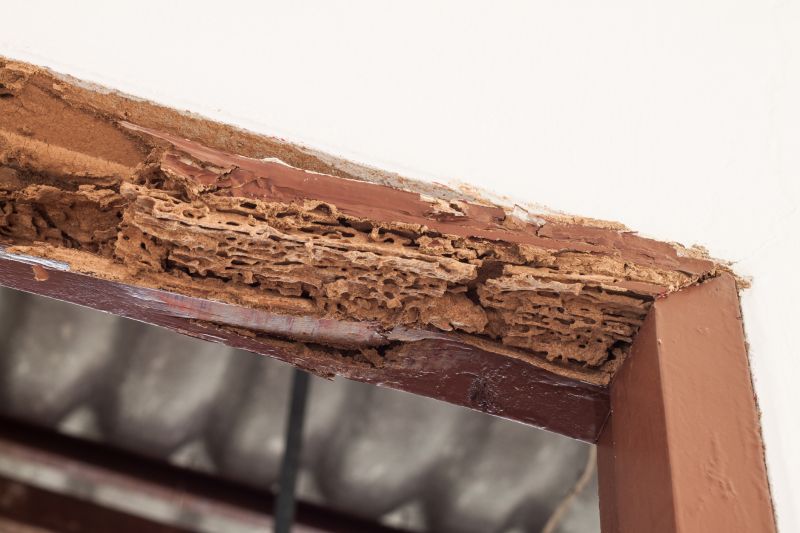
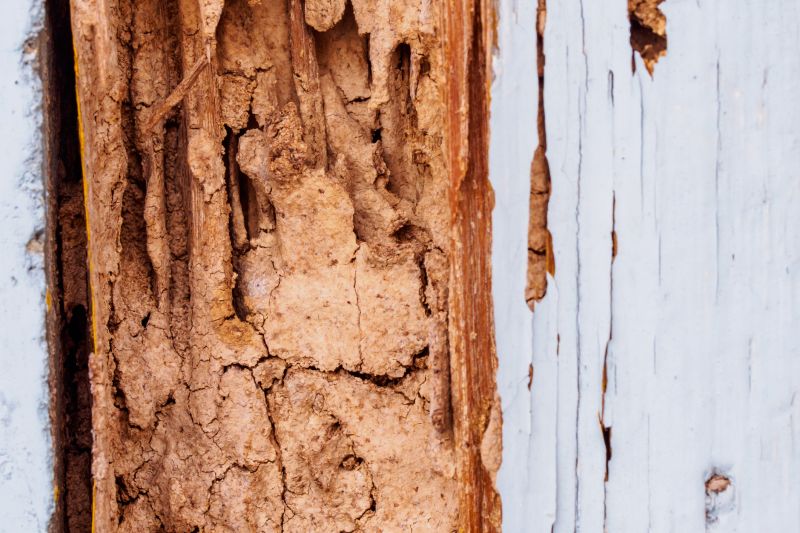
Signs of wood decay often include soft, crumbling wood and visible mold or fungi on structures.
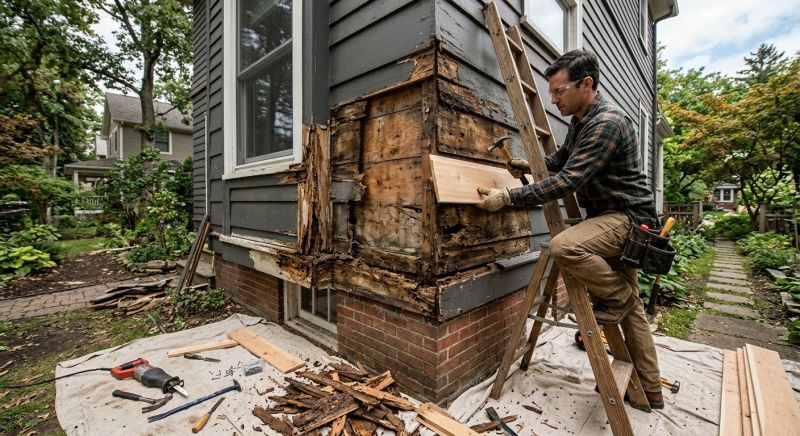
Common Causes Of Decay
Excess moisture, poor ventilation, and wood exposure to the elements can lead to wood decay in homes and properties.
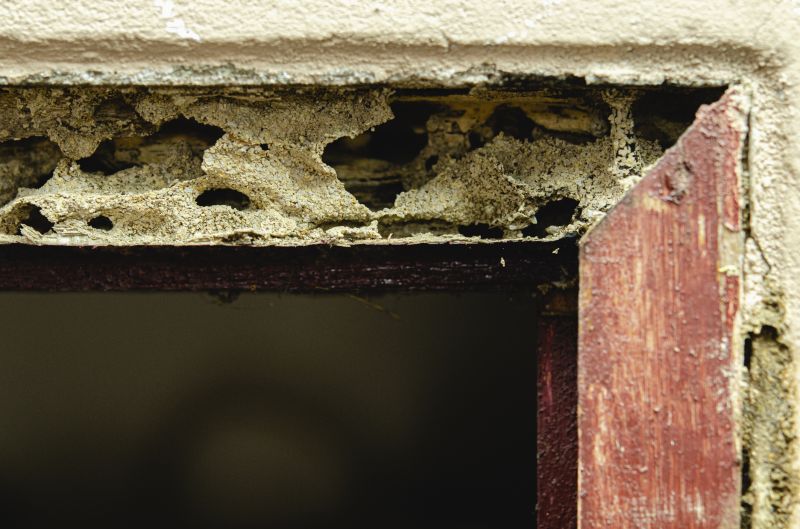
Preventive Maintenance
Regular inspections and prompt repairs help protect wood structures from ongoing decay and damage.
Wood Decay Removal in Longmont, CO

Wood decay removal services focus on identifying and eliminating areas of wood that have been compromised by rot, fungi, or insect damage. These services typically address projects such as damaged porch columns, rotted window frames, compromised fascia boards, or deteriorated wooden siding. Property owners should understand that the process involves carefully assessing affected areas, removing decayed wood, and applying treatments to prevent future decay, helping to preserve the structural integrity and appearance of the property.
Before requesting wood decay removal, homeowners often want to know about the extent of the damage, the types of treatments used, and whether repairs will be needed afterward. It’s important to consider the age of the wood, the causes of decay, and the overall condition of surrounding structures. Proper evaluation ensures that all compromised wood is addressed effectively, reducing the risk of further damage and maintaining the safety and value of the property.
Many property owners in Longmont, CO look into Wood Decay Removal for repairs, replacements, upgrades, and appearance-related improvements.
Common Wood Decay Removal Jobs
Wood Decay Removal - removes compromised wood to prevent further structural damage.
Fungal and mold treatment - eliminates fungi and mold that contribute to wood decay.
Rot repair - replaces or reinforces decayed wood to restore stability.
Damage assessment - identifies areas affected by rot and decay for targeted treatment.
Preventative treatment - applies treatments to inhibit future wood decay and fungal growth.
Structural reinforcement - strengthens weakened wood to support the integrity of the property.
Wood Decay Removal Questions
What causes wood decay in properties? Wood decay is typically caused by moisture and fungi, which weaken the wood structure over time.
How can wood decay be identified? Signs include soft or spongy wood, discoloration, and visible mold or fungi growth.
Is removal necessary for all types of wood decay? Removal is recommended when decay is extensive or threatens the integrity of the structure.
What areas are commonly affected by wood decay? Commonly affected areas include decks, fences, siding, and wooden support beams.
Request Wood Decay Removal in Longmont, CO
Use the quote form on this page to share the basics of your project and request more information for the type of work you need.